
blog post by Jack Magee
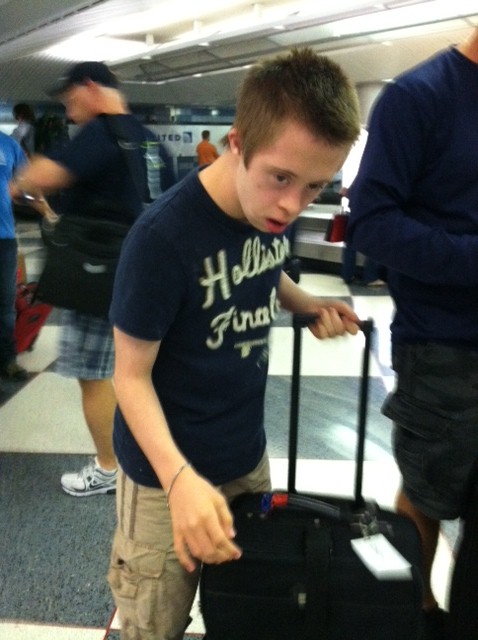 As warmer weather comes around, the traveling season has come upon us. Traveling on a plane can be a hard, stressful experience, but for people with Intellectual and Developmental Disabilities (IDD), traveling can be exponentially more challenging. The loud, inconsistent noises, bright lights, and just the huge amount of people at the airports can create a sensory overload for people with IDD; however, there are ways to help mitigate & ease the traveling experience.
Calling Ahead
Planning ahead can be particularly important, especially in knowing that people with IDD may need special accommodations in the airport & while flying. The Air Carrier Access Act (ACAA) protects individuals with disabilities against any discrimination because of their disability. Call your airline ahead of your flight to request any special accommodation. This will allow them time for these accommodations to be made.
It is important to be clear in describing any needs and details about the person with IDD abilities for traveling. According to the U.S. Department of Transportation’s Guide for Air Travelers with Developmental Disabilities, “Airlines can ask about your disability to better understand your needs. While the airline agents cannot ask for specific medical information related to the disability, they may ask questions to assess whether you can complete the flight safely, whether you need accommodations that the airline is required to provide, or whether reasonable modifications can be made.” The questions that the airline can ask are meant to understand the traveler with IDD’s needs. It is best to call your airline carrier at least 72 hours ahead of time.
Sensory Tools
Before heading to the airport, make sure to have any sensory items to help your children from getting overwhelmed.
- Tactile items like playdough, stress balls or fidget spinners can help ground your child with IDD during any stressful parts of travel.
- Items such as earplugs or headphones can help drown out loud or overwhelming sounds.
- Your child’s favorite music or movies can help distract them from what’s going on around the airport & plane.
- Chewy snacks like Starburst, Twizzlers, or Gummy Bears can help distract your child & chewing can relieve the pressure in their ears while flying.
- Comfort items like a weighted blanket, stuffed animal or neck pillow can help comfort your child while sitting on the plane.
Getting To the Airport Early
It is important to get to the airport at least 1.5x earlier than expected to avoid any unnecessary stress. Going through TSA can be an incredibly stressful aspect of airport travel. Arriving early allows for a good grace period if there is a long TSA line. In addition, arriving early allows your children time to decompress & adjust to the airport before flying.
Conclusion
While flying with children with IDD can be challenging, proper preparations can exponentially improve your traveling experience overall.
Have a safe & enjoyable trip. Happy traveling!